Free Zen Tea Meditation Experience
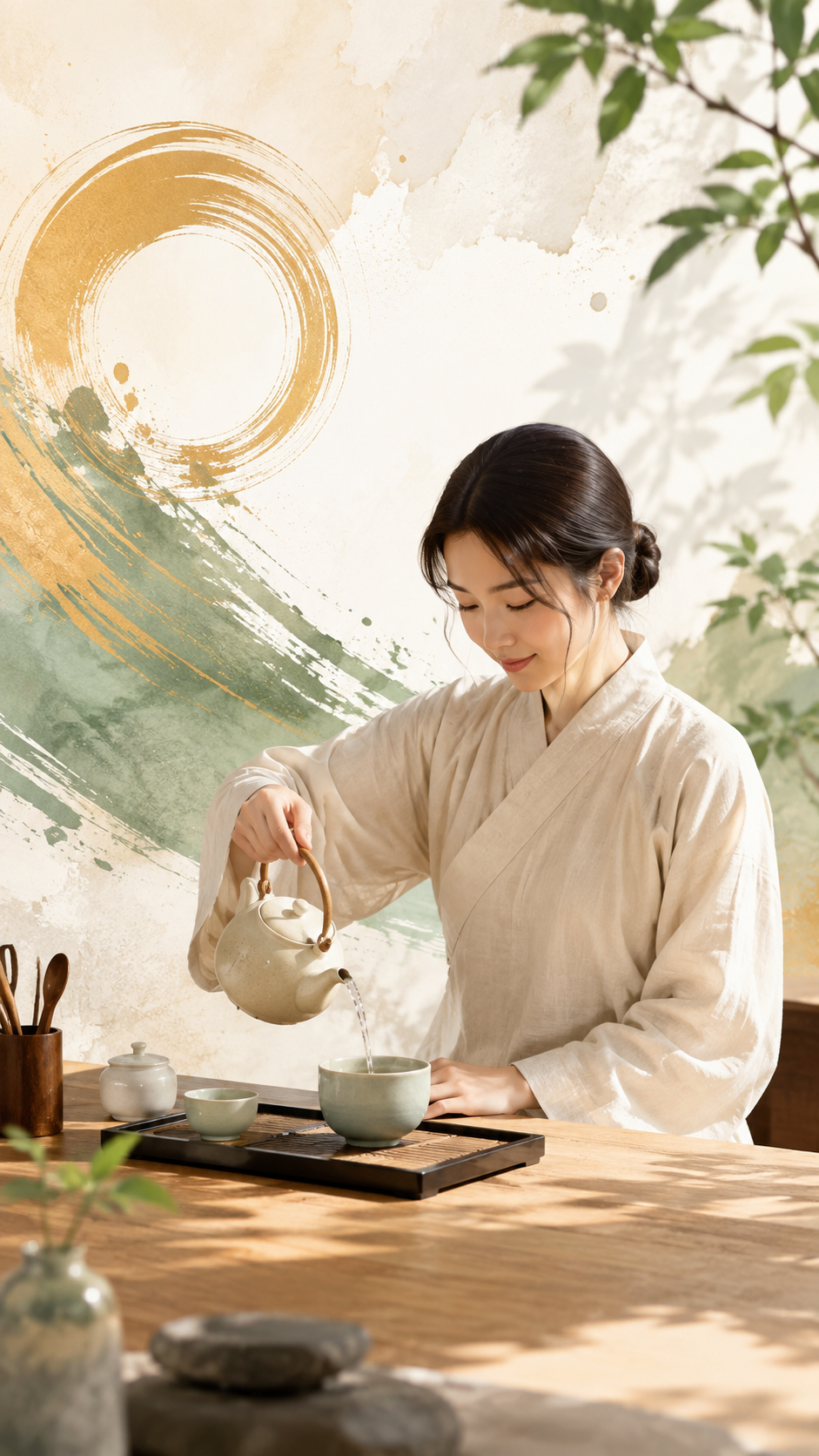
We offer free Zen Tea Meditation sessions that use something as simple as a cup of tea to help people observe the mind and understand how it works.
In Buddhism, the Buddha is sometimes described as a great physician. Just as a doctor needs to understand what is actually happening in the body before treating it, we first need to see what is happening in our own mind before we can work with stress, difficult emotions, or habitual reactions. If we cannot see clearly what is happening, it is difficult to know what to change.
Zen Tea Meditation offers a simple and direct way to begin. By looking at the tea, listening to the sound of water, noticing its aroma and taste, and feeling sensations in the body, we begin to observe our attention: Where is my mind? When does it wander? What draws it away?
You may be looking at your tea and suddenly thinking about work. You may be listening to the water and find yourself remembering someone. The moment you taste the tea, the mind may already begin to like, dislike, compare, or judge. The body may be here, but the mind may already be somewhere else.
Zen Tea Meditation does not begin by trying to control the mind. It begins by seeing and becoming aware of what is actually happening. Once we can see how the mind moves, we can begin to understand it—and discover where change can begin.
Start with a cup of tea. Begin to see your mind.
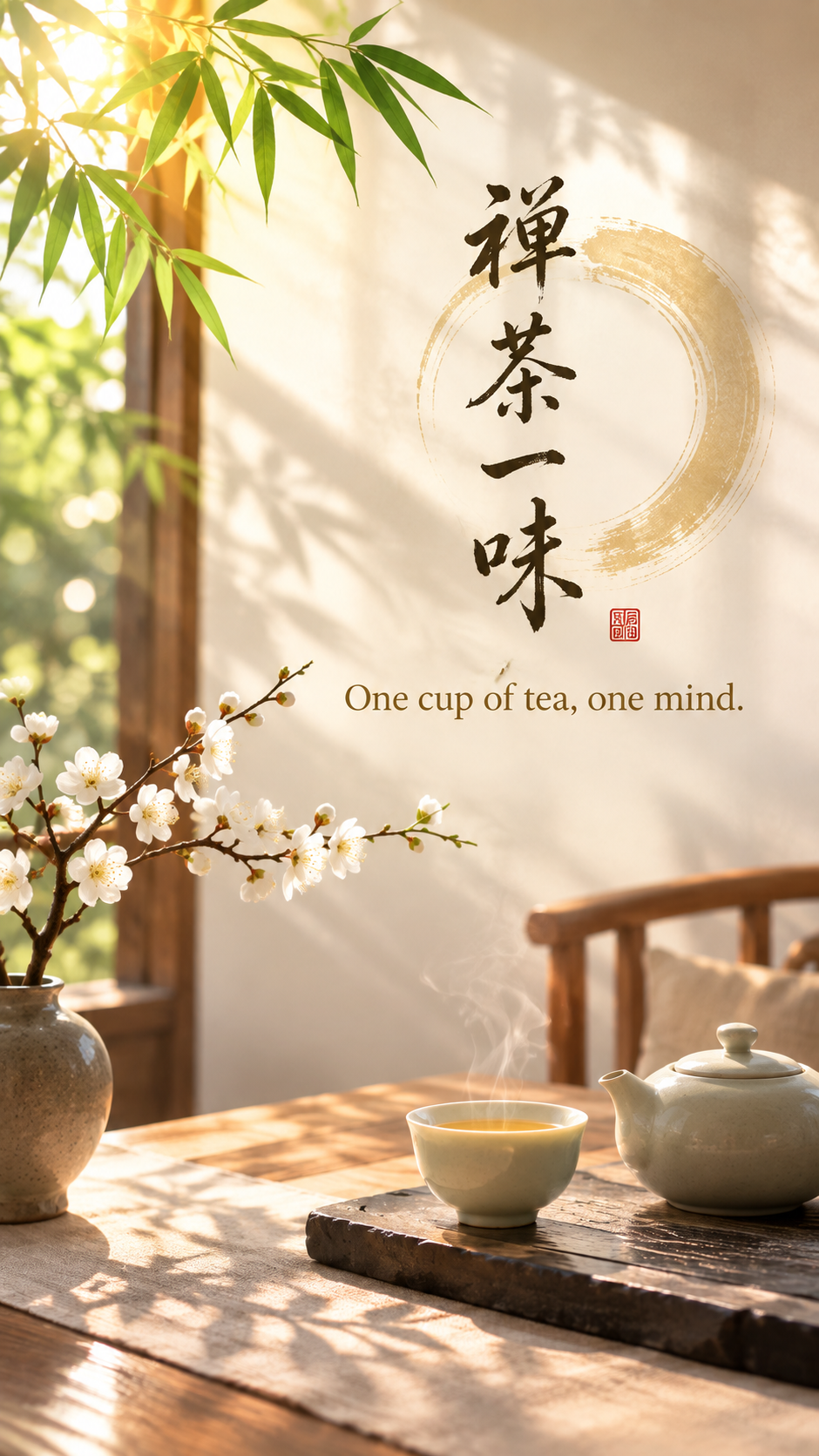
The Tradition of Zen and Tea
Tea and Zen have been closely connected in Chinese Buddhism for more than a thousand years. In Buddhist monasteries, tea was not simply part of daily life; it also accompanied meditation and practice, helping practitioners remain awake, present, and attentive. Over time, this relationship between tea and Zen developed into a distinctive tradition, often expressed in the phrase “Zen and Tea Are of One Taste.”
One of the best-known stories in Zen history comes from Master Zhaozhou Congshen (778–897). When different people came to him seeking teachings, his response was famously simple: “Go drink tea.” An ordinary cup of tea could become an invitation to return to the present moment and experience directly, rather than merely thinking about it.
Today, Zen Tea Meditation continues in this spirit. Tea is not the goal; it is a simple medium for practice. Through seeing, listening, smelling, tasting, and sensing the body, we begin to observe how attention moves, how thoughts arise, and how emotions and reactions begin to take shape.