

Stages During Meditation-----Actualizing Stage
During this period, our mind should focus on one object we pre-setted before our meditation. But our body, breathing and mind may not go as we want to. So we need to aware of this, and to adjust accordingly.
In actualizing period, we will adjust our body, breath and mind accordingly whenever it is needed. There is no sequences for adjusting body, breath and mind.
During this period, our mind should focus on one object we pre-setted before our meditation. But our body, breathing and mind may not go as we want to. So we need to aware of this, and to adjust accordingly.
If our mind stays away from object, it is normal. Once we realize it, we just move back our mind to the object. Again and again. As the first of all, we are doing pretty good just because we can realize that our mind is move out of the object. We keep to practice this way, eventually, our mind will stay on that object longer and longer. We become more relaxed, more mindful and more focused. We are to-warding to the right direction.

Stages During Meditation-Preparation of Meditation
All kinds of meditation, the final purpose is aiming to transform our mind to a calm, relaxed or mindful state. However, for everyday people as we are, the state of our mind is not independent arising. Our mentality state is affected by the condition of our body. When we get very sick, our mind would be going down. That experience we have. Verse Versa, when our mind is happy or relaxed, we will feel our body is lighter or our pain in body is reduced.
Mind and body are interrelated. Same as our breath. Whenever, the state of mind or body changes, our breath will also change to a different level: fast , or slow; long or short; with or without sound. Body, mind, and breath all three things are interrelated. Therefore, if we want to see a good result of meditation, we need to take care three things: body, mind and breath.
How could we know our mind is in the relaxed state we want in meditation?
The easiest way is to check our breath. When our mind is in related calm, relaxed state, our breath should be subtle and tranquil. We do not intentionally take a long in-breath or a long out-breath. We just do what actually takes place.
Generally speaking, our breath could appear in 4 kinds. They are:
Breathing with nasal sound=snort, sniff--not easy to focused, with sounding breath
Breathing without nasal sound but is not smoothly. Breathing will stop in the middle, you hold breath in middle for a short period of time, then finish in breath or out a breath. --clogged
Breathing without nostril sound, is smooth, but the amount of air passing nostril is too much. Coarser
Breathing without nostril sound, is smooth, no stop during breath in or breath out. not too much air passing nostril .
When we are talking about counting breath, or the following breath, we are talking about the breathing of no. 4. We need to practice preparation to achieve level 4 breathing, then we can get into the actual practice of meditation. Once our breath is at # 4 level, then our mind is calm. This state of mind will help us to be a success in Samantha.
In order to have breathe like #4. We need to start from our body.
Meditation can be set up 3 stages.
PREPARATION
ACTUALIZING
CONCLUDING
On each of stage, we need adjust our body, breath and mind.
Preparation Meditation:
In preparing period, we need adjust according to the sequence of body, breath and mind.
BODY:
Stress is not only a psychological phenomenon...it also shows up in the muscles and the organs of our body. It affects our whole nervous system.
One hour before meditation, do not do vigorous activity. We need pay closed attention on our body ,activity and also our breath and mind. We can do some yoga, walking meditation, prostration. Or you can do any activity you like to smooth your body, breath and mind. It is preferred to start from your lower part of body, then work on the upper part of our body.
Walking meditation, we need to follow walking steps as following: slow (10 minutes to 30 minutes), fast ( 10 to 30 minutes) and slow ( 10 to 30 minutes).
Once sitting position, move body forward and backward, 7 to 8 times; move body from left to right or right to left 7 to 8 times
BREATH:
If your breath is on # 1,2,3, you need to practice
Focus your attention on the the spot, which is four finger length below navel.
Practice mindfulness from lower part of your body to head. If you have high blood pressure, you can start from heat to lower part of your body.
Deep nasal breathing, then open mouth to exhale. When open mouth to exhale, visualized air not only out from mouth, but also out from all body pores. Air is out with the bad air which stuck on our problem areas of our body. 3 times.
MIND:
Mind is too active. Lot of thoughts. Focus your attention on the the spot, which is four finger length below navel.
Want to sleep, focus your attention on your nostril tip.
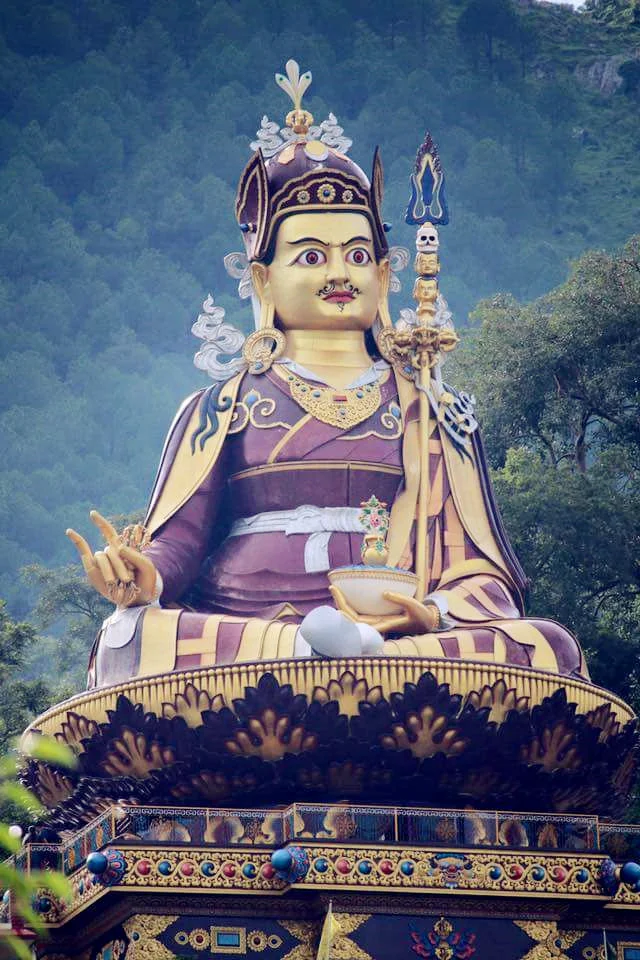
Meditation Posture
7 Point Position
- Your posture has to allow you to relax and to be comfortable.
- Your posture has to allow you to remain alert and aware.
- Make sure you aren’t holding yourself forcibly in what you think is a “good” posture.
- How does it feel?
- Do your lower back flattened or slump?
7 Point Position
- Your posture has to allow you to relax and to be comfortable.
- Your posture has to allow you to remain alert and aware.
- Make sure you aren’t holding yourself forcibly in what you think is a “good” posture.
- How does it feel?
- Do your lower back flattened or slump?
#1 Legs
Full Lotus, the feet rest on the opposite thighs, with the soles pointing upwards. Put the right foot on the left thigh, then put the left foot crossed over the right leg onto the right thigh. To reverse the direction of the feet is also acceptable.
Full lotus is said to be the best position for meditating. and is also in a very balanced and symmetrical posture.
Half Lotus, position requires that one foot be crossed over onto the thigh of the other. The other foot will be placed underneath the raised leg.
Burmese position, is similar to the Half Lotus, except that one foot is crossed over onto the calf, rather than the thigh, of the other leg. It’s very important for you to have both knees on the ground, to give you adequate support. Having three points of contact (your butt, and both knees) gives you a lot of stability.
If you can’t quite get both knees on the floor, then you can use some padding (a thin cushion or folded scarf) under your knee to keep you stable.
#2 Spine
Your spine should be upright, following its natural tendency to be slightly hollowed. You should neither be slumped nor have an exaggerated hollow in your lower spine. Your lower back should be erect. you need to have an open chest, with a sense of spaciousness across the front of your chest between your shoulders. This allows you to breath freely and to oxygenate the blood.Your spine should be relaxed. Your spine should not be leaning neither forward or backward, right or left.
#3 Hands
The hands form a so-called Dharma Realm Samadhi Mudra. The open left palm is above your right palm if your left leg is above your right leg. To reverse, the open right palm is above your left palm if your right leg is above your left palm.
Your palms should be upward, with the tips of the thumbs slightly raised and gently touching. The hands are placed in front of the abdomen, and rest on the legs. The hands are held about four fingers’ width below the navel. This helps us to develop good concentration.
Your hands should be supported, either resting on a cushion or on your lap, so that your arms are relaxed.Make sure your hands are supported.Your arms weigh a lot. If your hands are not supported, then your shoulders have to carry all of that weight. That means either that your shoulders and back will tense to bear the weight of your arms, or your shoulder muscles will be overstretched. Either way it’s going to be uncomfortable.
Depending on factors like the relative length of your back and arms and your muscular flexibility, you may have to have your hands supported as high as just above the navel by putting a blanket on your lap.
If hands are held about four fingers’ width below the navel. This helps us to develop good concentration
#4 Shoulder
Let the shoulders be relaxed,The shoulders are slightly rolled back and down. In order to create good conditions for being aware in meditation, you need to have an open chest, with a sense of spaciousness across the front of your chest between your shoulders. This allows you to breath freely and to oxygenate the blood. The shoulders are level and the elbows are held slightly away from the sides to let air circulate
#5 The Tongue
The tip of the tongue should be lightly touching the roof of the mouth just behind the front teeth. This prevents excessive salivation while also preventing our mouth from becoming too dry.
# 6 Head and Mouth
Your head should be balanced evenly, with your chin slightly tucked in, so that the eyes are cast down.This helps prevent mental excitement. The back of your neck should be relaxed, long, and open.The lips should be lightly touching. At all times, breath through the nose, not through the mouth.
# 7 Eyes
The eyes should be slightly open and gazing downward at a forty-five degree angle. Your eyes are neither wide open nor completely closed. When rest the eyes in that direction, trying not to stare at anything. Closing the eyes may cause drowsiness. However, if your eyes feel very tired you can close them for a short while.
If the eyes are wide open we are likely to develop mental excitement. Closing the eyes may cause drowsiness.
Your face should be relaxed, with your brow smooth, your eyes relaxed, your jaw relaxed, and your tongue relaxed and just touching the back of your teeth.
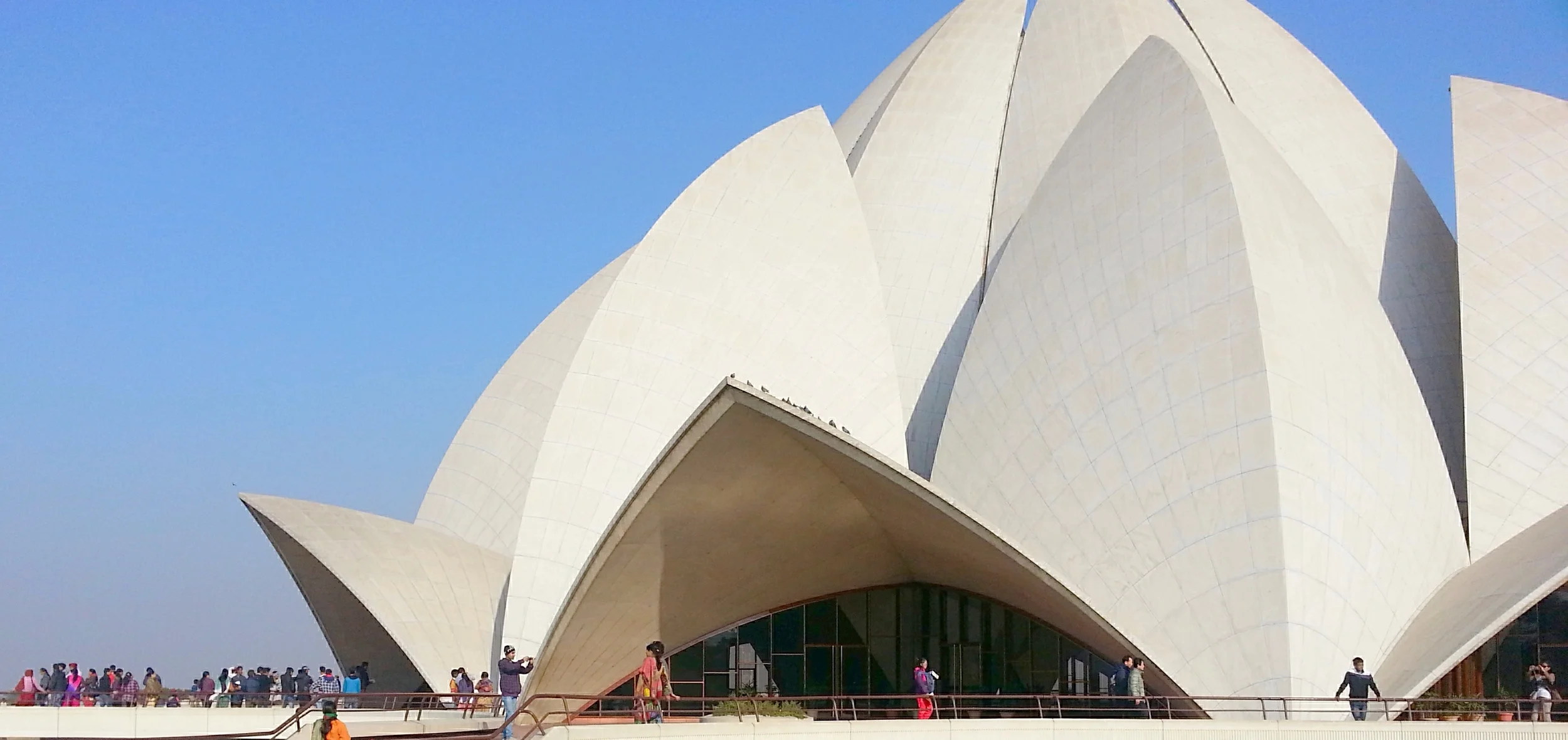
Meditation Setting
All suggestions regarding our meditation environment should relate to our own practice of Samatha and Vipassana。There are no absolute rules for meditation environment.
All suggestions regarding our meditation environment should relate to our own practice of Samatha and Vipassana。There are no absolute rules for meditation environment. Your feeling is more important。 The place you choose which can help to fulfill your goal of practicing, is the best meditation space for you. The followings are just some idea as the reference for you when you design your own meditation space. when it comes to decorating a meditation room in your home, follow your personal style and tastes to create a relaxing atmosphere in which you feel comfortable.
You can practice mindfulness anywhere you feel like – in a garden, at work, or even at the airport waiting for your flight. But if you are practicing Samantha at beginning, you need a quiet place so that you can concentrate and cultivate your ability to focus better and better.
Our meditation area should stay quite, clean and tidy and full of fresh air with well- ventilation. Once the environment around us is clean, our mind can also be relaxed before or after meditation. The environment would be an impact on our meditation experience. We, for most of us, cannot get relaxed thoughts in a dirty, smelly, filthy room. We also get distracted by too much noise.